Save 10% off on your first order with coupon code: PANDA10
Insulin Medication
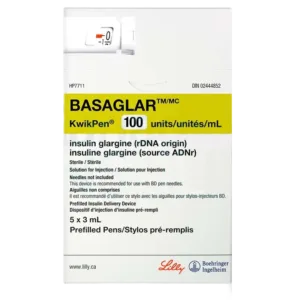
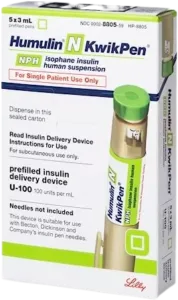

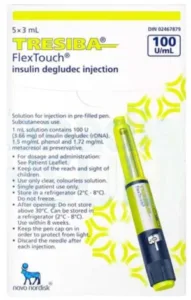
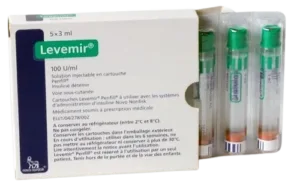
Insulin medication is a life-saving hormone replacement therapy that enables people with diabetes to regulate blood glucose levels effectively. For those with type 1 diabetes and many with type 2 diabetes, insulin therapy is essential for daily management and long-term health.
Quick Fact Table: Insulin Medication Overview
| Attribute | Details |
| Drug Type | Insulin (various formulations) |
| Delivery Methods | Pens, vials, pre-mixed injections |
| Indications | Type 1 and Type 2 Diabetes |
| Monitoring | Blood glucose self-testing, A1C testing |
| Common Side Effects | Hypoglycemia, injection site reactions |
| Storage | Refrigerate, protect from heat and light |
How to Buy Insulin Online Safely and Affordably
The process to order insulin online from PandaMeds.com provides access to authentic medications at reduced costs compared to many U.S. pharmacies. Our prescription referral service requires a valid prescription from your healthcare provider for you to receive genuine insulin products approved by Health Canada.
We offer transparent pricing on all insulin formulations, including rapid-acting insulin, long-acting insulin, and pre-mixed insulin options. To avoid counterfeit products, always verify that online pharmacies display proper licensing credentials and require prescriptions never purchase insulin from sources that don’t request medical documentation.
Ordering Process for Insulin Online
Buying insulin online through PandaMeds.com is straightforward and secure:
- Select your prescribed insulin medication from our catalog, choosing between insulin pens, vials, or pre-mixed options based on your preference.
- Review pricing and select your quantity, then proceed to checkout with secure payment processing.
- Upload your current insulin prescription or have your doctor send it directly to us.
- Receive your order with appropriate temperature-controlled packaging to maintain medication integrity during transit.
Affordable Insulin Options and Prescription Refills
PandaMeds.com offers competitive pricing on all major insulin brands, This helps patients save significantly on monthly insulin costs. We provide clear pricing information upfront with no hidden fees, and our customer service team can help you understand cost-saving opportunities.
Insulin and Its Types
Insulin is a hormone naturally produced by beta cells in the pancreas that allows glucose from food to enter body cells for energy. In diabetes, the body either doesn’t produce enough insulin or cannot use it effectively, resulting in elevated blood sugar levels.
Synthetic human insulin and insulin analogs replicate this natural hormone, helping people with diabetes maintain glucose levels within a healthy range.
What is Insulin?
The hormone insulin acts as a key that unlocks cells to absorb insulin and utilize glucose for energy. When you eat, carbohydrates break down into glucose, triggering the pancreas to release insulin into the bloodstream. This insulin signals cells throughout the body to take in glucose, lowering blood glucose levels naturally.
Types of Insulin: Rapid, Short, Intermediate, Long, Ultra-long and Pre-mixed
1. Rapid-Acting Insulin
Rapid-acting insulin (such as insulin lispro, insulin aspart, and insulin glulisine) begins working within 15 minutes, peaks in about one hour, and lasts 2-4 hours—ideal for controlling blood sugar spikes at mealtimes.
2. Short-Acting Insulin (Regular Insulin)
Short-acting insulin or regular insulin starts working in 30 minutes, peaks at 2-3 hours, and lasts 3-6 hours.
3. Intermediate-Acting Insulin
Intermediate-acting insulin provides coverage for about half the day, with onset at 2-4 hours and duration of 12-18 hours.
4. Long-Acting Insulin (like insulin glargine)
Long-acting insulin (like insulin glargine) provides steady background insulin for up to 24 hours with no pronounced peak time.
5. Ultra-Long-Acting Insulin
Ultra-long-acting insulin extends coverage beyond 24 hours, offering more flexibility in dosing schedules.
6. Premixed Insulin
Premixed insulin combines rapid or short-acting with intermediate-acting insulin in fixed ratios, simplifying injection schedules for some patients.
Insulin Delivery Devices: Pens, Vials, and Pre-mixed Options
- Syringes
Insulin syringes draw medication from vials and offer the most affordable delivery option. They provide precise dosing flexibility and are widely available, though they require proper injection technique and careful measurement to guarantee accuracy.
- Pens
Insulin pens feature pre-filled or refillable cartridges with dial-up dosing that eliminates measurement errors. They’re portable and convenient for on-the-go injections, making them popular among patients who value ease of use in their daily routine.
- Pumps
Insulin pumps deliver continuous subcutaneous insulin infusions through a small catheter, closely mimicking natural pancreatic function. They offer precise basal rate adjustments and bolus dosing flexibility, ideal for people with active lifestyles or those requiring intensive diabetes management and control.
- Inhalers
Inhaled insulin provides a needle-free rapid-acting option absorbed through the lungs before meals. While convenient for those with needle aversion, inhalers are more expensive, require pulmonary function monitoring, and aren’t suitable for patients with lung conditions like asthma or COPD.
Daily Insulin Use and Blood Glucose Monitoring
Fingerstick testing using a glucose meter provides immediate readings that guide insulin dosing decisions, meal planning and activity adjustments. Most people taking insulin should test:
- Before meals
- Before bed
- Occasionally overnight to understand patterns
With Continuous Glucose Monitors (CGM), you can track glucose levels in real time throughout the day and night, alerting users to high or low blood sugar trends.
A1C Testing, performed by healthcare providers typically every 3-6 months measures average blood glucose levels over the previous 2-3 months, helping assess whether your insulin treatment plan is achieving optimal control and reducing risks of diabetes-related complications.
Symptoms and Risk Factors of Diabetes
Common Diabetes Symptoms
- Increased thirst and urination
- Unexplained weight loss
- Extreme fatigue
- Blurred vision
- Slow-healing wounds
- Frequent infections
Risk Factors for Type 1 Diabetes
- Genetic and autoimmune components
- Can occur at any age (typically children and young adults)
Risk Factors for Type 2 Diabetes
- Family history of diabetes mellitus
- Age over 45
- Obesity
- Sedentary lifestyle
- High blood pressure
- Certain ethnicities with higher predisposition
- History of heart disease
- Polycystic ovary syndrome
- Previous diagnosis of prediabetes
Gestational diabetes occurs during pregnancy and increases the risk of developing type 2 diabetes later. Early diagnosis and treatment are critical if you experience persistent symptoms, consult your healthcare provider for blood glucose testing.
Insulin Therapy for Type 1 and Type 2 Diabetes
Insulin for Type 1 Diabetes
Insulin therapy is lifelong and essential from diagnosis, as the body produces no insulin naturally. Treatment typically involves:
- Basal-bolus regimen: Long-acting or ultra-long-acting insulin for background coverage
- Mealtime insulin: Rapid-acting insulin before meals to match food intake
Insulin for Type 2 Diabetes
May be introduced when diabetes pills and other diabetes medicines no longer maintain adequate control:
- Many patients initially use long-acting insulin alone
- Mealtime rapid-acting insulin added as needed
- Some benefit from premixed insulin providing both basal and bolus coverage in simplified twice-daily injections
Your insulin needs will vary based on factors including diet, physical activity, stress, illness, and other medications, requiring ongoing adjustment in consultation with your diabetes care team.
Insulin Dosage and Administration Guidance
Insulin dosage depends on individual factors including:
- Body weight
- Insulin sensitivity
- Carbohydrate intake
- Physical activity level
- Blood glucose patterns
Proper Injection Technique
Rotate injection sites among areas like the abdomen, thighs, and upper arms to prevent lipodystrophy and ensure consistent absorption. Take insulin as directed relative to meals, usually injecting rapid-acting insulin 15 minutes before eating.
You should always check expiration dates and for any changes in appearance
Safety Reminders
One should never share insulin pens or needles and dispose of used needles safely in approved sharps containers
Common Side Effects and Safe Insulin Handling
Common Side Effects
- Hypoglycemia (Low Blood Sugar): It is the most common and potentially dangerous side effect of insulin treatment, occurring when insulin levels are too high relative to glucose availability. Symptoms include shakiness, sweating, rapid heartbeat, confusion, dizziness and in severe cases, loss of consciousness or seizures.
- Injection Site Reactions: These reactions are usually mild and resolve quickly on their own. However, if you experience severe or worsening reactions, this may indicate an allergic reaction requiring immediate medical attention and a change in insulin formulation.
- Weight Gain: Weight gain can occur as a side effect of improved glucose control, as your body retains more glucose and converts it to energy and stored fat rather than losing it through urine as happens with uncontrolled diabetes.
Storage Guidelines
Unopened Insulin:
- Store in refrigerator between 36-46°F (2-8°C)
- Keep away from freezer
Opened Insulin:
- Can stay at room temperature for 28 days
- Keep away from direct heat and light
Never Use:
- Frozen insulin
- Insulin that has changed color or developed particles
- Keep insulin away from alcoholic beverages and extreme temperatures
Popular Insulin Medications and Biosimilar Options
Available Through PandaMeds.com
- Long Acting Basal Insulin
These provide steady background insulin through the day.
- Levemir PenFill Cartridge (Insulin detemir)
- Basaglar KwikPen (Insulin glargine)
- Lantus Vial (Insulin glargine)
- Lantus SoloStar Pen (Insulin glargine)
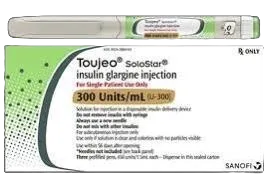
- Toujeo SoloStar (Insulin glargine)
- Tresiba FlexTouch 100 (Insulin degludec)
- Tresiba FlexTouch 200 (Insulin degludec)
- Intermediate Acting Insulin
These cover insulin needs for part of the day.
- Premixed Insulin
These combine rapid or short acting insulin with intermediate acting insulin.
- Fixed Dose Combination Insulin
These combine basal insulin with another glucose lowering medicine.
Managing Your Insulin Prescription and Refills Online
With effective prescription management, you never run low on insulin. This avoids dangerous gaps in therapy. You should track
- Track remaining supplies.
- View upcoming refill dates
It is important to have regular consultation with your diabetes care team, and schedule visits as recommended to:
- Review blood glucose logs
- Adjust insulin regimens
- Address any concerns
We’re here to support your diabetes management journey with reliable access to affordable insulin.
Important Medical Disclaimer
This information is for educational purposes only and does not replace professional medical advice.
Always consult your healthcare provider before starting, stopping or adjusting insulin therapy. If you experience severe hypoglycemia, allergic reactions or other serious side effects, you should seek immediate medical attention.