Save 10% off on your first order with coupon code: PANDA10
Zepbound Kwikpen for Weight Loss: Cost, Side Effects & Dosing Guide
Zepbound (tirzepatide) is a groundbreaking injectable medication approved for chronic weight management in adults. As a first-in-class dual glucose-dependent insulinotropic polypeptide (GIP) and glucagon-like peptide-1 (GLP-1) receptor agonist, it represents a significant advancement in the treatment of obesity. This medication is intended for use in conjunction with a reduced-calorie diet and increased physical activity.
What is Zepbound?
Zepbound is a prescription medication indicated for adults with a body mass index (BMI) of 30 kg/m2 or greater (obesity), or a BMI of 27 kg/m2 or greater (overweight) with at least one weight-related comorbidity, such as high blood pressure, high cholesterol, or obstructive sleep apnea (OSA).
It is administered as a once-weekly subcutaneous injection using a pre-filled Zepbound Kwikpen. The active ingredient, tirzepatide, is the same compound found in Mounjaro, a medication previously approved for the management of type 2 diabetes.
How Does Zepbound Work
Zepbound’s mechanism of action is its dual agonism of the GIP and GLP-1 receptors. These are incretin hormones naturally produced in the body that play a crucial role in metabolic regulation. By mimicking these hormones, Zepbound influences several physiological processes:
- Appetite Regulation: It acts on the brain to reduce appetite and food cravings.
- Gastric Emptying: It slows the rate at which the stomach empties, promoting a feeling of fullness for a longer duration.
- Glucose Homeostasis: While not its primary indication for Zepbound, the GIP and GLP-1 agonism also aids the pancreas in insulin secretion and reduces glucagon production, which helps lower blood glucose levels.
This combined action leads to a decreased caloric intake and a more sustained feeling of satiety, making it easier for individuals to adhere to a reduced-calorie diet and achieve significant weight loss.
Zepbound Dosing Guide and Schedule
The Zepbound dosing regimen is designed to optimize efficacy while mitigating potential gastrointestinal side effects through a gradual dose escalation process.
Zepbond Dosing Information
| Dose | Usage Period |
|---|---|
| 2.5 mg | Once weekly for 4 weeks – Starting Dose |
| 5.0 mg | For at least 4 weeks – Maintenance Dose (Weight Reduction Only) |
| 7.5 mg | For at least 4 weeks |
| 10 mg | For at least 4 weeks – Maintenance dose (All indications) |
| 12.5 mg | For at least 4 weeks |
| 15 mg | Maximum Dose – Maintenance dose (All indications) |
Treatment begins with a starting dose of 2.5 mg injected subcutaneously once weekly for four weeks. This initial dose is for treatment initiation and is not considered a maintenance dose.
After the first four weeks, the dose is typically increased to 5 mg once weekly. The dose may then be further increased in 2.5 mg increments every four weeks, based on tolerability and treatment response, to maintenance doses of 5 mg, 10 mg, or 15 mg.
The maximum recommended dose is 15 mg once weekly.
How to Use the Zepbound Kwikpen
The Zepbound Kwikpen is a pre-filled, multiple-dose pen, which is different from the single-dose pens often used in the United States. Each KwikPen contains four weekly doses, and needles must be purchased separately.
Before using the Zepbound KwikPen, it is essential to follow these steps:
- Confirm the medication name and dosage match your prescription. The liquid should be colorless to slightly yellow and free of particles.
- Use soap and water to wash your hands.
The recommended injection sites are the stomach (abdomen), thigh, or the back of the upper arm. You must rotate the injection site weekly to avoid irritation.
- Pull the pen cap straight off.
Injection procedure
- Take the gray base cap off the pen and discard it.
- Place the clear base of the pen flat against your skin at the injection site. Twist the top of the pen to the “unlocked” position.
- Firmly hold the pen against your skin and press and hold the purple injection button. The injection takes up to 10 seconds.
- You will hear a first click to signal the start of the injection and a second, louder click when the dose is complete. The gray plunger will also be visible.
- After the injection is complete, remove the pen from your skin and put it directly into a designated sharps container.
Disclaimer: Always follow the instructions provided with the pen and by your healthcare provider.
Missed Dose Instructions
If a GLP-1 dose is missed, it should be administered as soon as possible within four days after the missed dose. If more than four days have passed, the missed dose should be skipped, and the next dose should be taken on the regularly scheduled day. To avoid the risk of side effects, it is advised not to take two doses of Zepbound within three days of each other.
Zepbound vs. Other GLP-1 Medications
Zepbound differs from other popular weight-loss medications like Wegovy and Ozempic (semaglutide) primarily in its mechanism of action.
Zepbound vs. Wegovy, Ozempic, and Mounjaro
Zepbound’s unique dual-action mechanism, targeting both GIP and GLP-1 receptors, sets it apart from other popular weight loss drugs like Wegovy and Ozempic. Both Wegovy and Ozempic contain the active ingredient semaglutide, which is a single GLP-1 receptor agonist. While they are effective, Zepbound’s dual action may lead to more significant weight loss for some individuals.
Mounjaro contains the same active ingredient as Zepbound, tirzepatide, but it is specifically approved for the treatment of type 2 diabetes, whereas Zepbound is approved for chronic weight management.
Clinical Trial Results and Effectiveness
Clinical trial data published in The New England Journal of Medicine, such as the SURMOUNT-5 trial, has demonstrated Zepbound’s superior efficacy in weight loss compared to Wegovy, with participants on Zepbound achieving a mean weight loss of 20.2% versus 13.7% with Wegovy over a 72-week period.
This head-to-head trial compared Zepbound to Wegovy, showing a 47% greater relative weight loss with Zepbound. In addition to weight loss, Zepbound also demonstrated significant improvements in cardiometabolic parameters, including reductions in waist circumference and systolic blood pressure.
Potential Side Effects and Safety Considerations
There are both common and serious side effects that come with the use of Zepbound.
Common Side Effects
The most common side effects of Zepbound are gastrointestinal in nature. These include:
- Nausea and vomiting
- Diarrhea and constipation
- Abdominal pain or discomfort
- Injection site reactions
- Burping
- Fatigue
Serious Side Effects
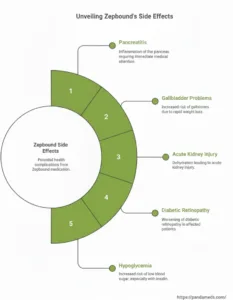
While less common, Zepbound can be associated with serious side effects. The medication’s FDA-mandated labeling includes warnings for:
- Pancreatitis: Inflammation of the pancreas. Patients should seek immediate medical attention if they experience severe, persistent abdominal pain.
- Gallbladder Problems: The risk of gallstones and related complications may increase with rapid weight loss.
- Acute Kidney Injury: Dehydration from severe gastrointestinal side effects can lead to acute kidney injury.
- Diabetic Retinopathy: Worsening of diabetic retinopathy has been reported in patients with a history of this condition.
- Hypoglycemia: The risk of low blood sugar is increased, particularly in patients also taking insulin or sulfonylurea medications.
Contraindications
Zepbound is contraindicated in patients with a personal or family history of medullary thyroid carcinoma (MTC) or in patients with Multiple Endocrine Neoplasia syndrome type 2 (MEN 2). It should not be used in individuals with a known hypersensitivity to tirzepatide or any of its ingredients.
Zepbound Warnings & Precautions
Before starting Zepbound, it is important to understand the potential risks, safety concerns, and conditions that may make this medication unsuitable for certain people. Always consult your healthcare provider to determine if Zepbound is appropriate for you.
Who Should Not Use Zepbound
Zepbound (tirzepatide) may not be safe for individuals with the following conditions or health histories:
- Allergies to ingredients: Do not use Zepbound if you are allergic to tirzepatide, Zepbound, Mounjaro, or any inactive ingredients in the medication. A pharmacist can provide a full ingredient list.
- Thyroid cancer or endocrine conditions: Zepbound should not be used by individuals who have ever had medullary thyroid carcinoma (MTC), or who have a family history of this type of cancer. It is also not recommended for people with Multiple Endocrine Neoplasia syndrome type 2 (MEN 2).
- Suicidal thoughts or attempts: Zepbound should be avoided by anyone with a history of suicidal thoughts, behaviors, or previous suicide attempts.
- Pregnancy: This drug should not be taken during pregnancy. If you become pregnant while using Zepbound, inform your doctor immediately.
- Severe stomach problems: People with severe gastrointestinal problems, including gastroparesis (delayed stomach emptying), should not use this medication.
Boxed Warning: Thyroid Cancer Risk
Zepbound carries a boxed warning from the U.S. Food and Drug Administration (FDA), the agency’s most serious safety warning due to a potential risk of thyroid tumors.
In animal studies, tirzepatide caused thyroid tumors. It is unknown whether this occurs in humans.
Seek medical help immediately if you experience any symptoms that may indicate thyroid cancer, such as:
- Persistent hoarseness
- A lump or swelling in the neck
- Difficulty swallowing
- Shortness of breath or difficulty breathing
Other Warnings and Precautions
Zepbound use requires caution for people with certain medical conditions or risk factors. Discuss your full health history with your doctor, especially if you have:
- Gastrointestinal issues: Severe stomach or intestinal conditions, including gastroparesis
- Kidney problems: Zepbound may affect kidney function, especially if dehydration occurs
- Diabetic retinopathy: If you have diabetes-related eye disease, treatment may require closer monitoring
- Pancreatitis history: Past episodes of inflammation of the pancreas may increase risks
- Depression or mental health concerns: Report any new or worsening mood changes to your healthcare provider
- Planned surgeries or procedures: Inform your doctor, as Zepbound may affect anesthesia tolerance or fasting requirements
Use in Pregnancy and Breastfeeding
- Pregnancy: Zepbound is not recommended and should be stopped if pregnancy occurs.
- Breastfeeding: It is not known whether tirzepatide passes into breast milk. Discuss potential risks and alternatives with your doctor.
Zepbound Cost and Affordability
Zepbound Coupons, Savings Cards, or Cost
The list price for a one-month supply of Zepbound is over $1,000 without insurance. The manufacturer, Eli Lilly, offers a Zepbound Savings Card program for commercially insured patients who are eligible. This card can reduce the out-of-pocket cost to as little as $25 for a one-month or three-month prescription. Additionally, the LillyDirect online pharmacy offers tiered pricing for single-dose vials, which can make the medication more affordable for self-pay customers.
Insurance Coverage
Insurance coverage for Zepbound varies widely depending on the specific plan and insurer. Many plans require a prior authorization to prove medical necessity and that the patient meets specific criteria. It is crucial for patients to contact their insurance company directly to determine their plan’s formulary, coverage details, and any out-of-pocket costs. Medicare, in particular, does not typically cover medications prescribed solely for weight loss, though some Medicare Advantage plans may offer coverage.
See your personalized costs with our GLP-1 Cost Calculator.
Frequently Asked Questions (FAQs)
What is the difference between Zepbound and Mounjaro?
Both contain the same active ingredient, tirzepatide. However, Zepbound is FDA-approved for chronic weight management, while Mounjaro is approved for type 2 diabetes.
Can Zepbound be used for diabetic retinopathy?
Zepbound is not indicated for diabetic retinopathy. In fact, rapid improvements in glycemic control can temporarily worsen this condition, so patients with a history of diabetic retinopathy should be closely monitored.
How long does it take to see results with Zepbound?
Results can vary, but most individuals begin to see weight loss within the first four weeks of treatment.
Do I have to keep taking Zepbound to maintain my weight loss?
Yes, Zepbound is intended for chronic, long-term use. If treatment is stopped, patients are likely to regain the weight they lost.
Is it safe to drink alcohol while on Zepbound?
There are no known direct interactions between Zepbound and alcohol. However, excessive alcohol consumption can increase the risk of side effects like low blood sugar or gastrointestinal upset.
What happens if I stop taking Zepbound?
Upon discontinuation, the therapeutic effects of the medication, including appetite suppression and weight loss, will cease, and weight regain is expected.
Is Zepbound better than Ozempic?
Based on clinical trial data, Zepbound has shown greater weight loss efficacy than Wegovy (semaglutide, the same active ingredient as Ozempic). As a dual GIP/GLP-1 agonist, it has a distinct mechanism of action that may offer superior results for some patients.
How many times can you use a Zepbound pen?
Each Zepbound Kwikpen ordered from Canada is a multiple-use pen. It contains four weekly doses.
Why is Zepbound so expensive?
The high cost is typical for new, brand-name medications, reflecting the significant investment in research and development, clinical trials, and manufacturing.
What is the difference between tirzepatide and Zepbound?
Tirzepatide is the generic name for the active pharmaceutical ingredient. Zepbound is the brand name under which tirzepatide is marketed for weight management.
How effective is Zepbound for weight loss?
Clinical trials demonstrated a high degree of effectiveness, with participants losing an average of 15% to 21% of their starting body weight over 72 weeks, depending on the dose.
How much weight can you lose with Zepbound in a month?
Weight loss can vary widely. While initial results may be seen in the first month, the most significant weight loss occurs over a longer period, such as 6-9 months.
What are the downsides of Zepbound?
The primary downsides include the potential for significant gastrointestinal side effects, the high cost without insurance, the need for long-term use, and the boxed warning for the risk of thyroid tumors.
What medications should not be taken with Zepbound?
Zepbound should not be used with other GLP-1 receptor agonists or GIP/GLP-1 receptor agonists. Caution is advised when taking oral medications with a narrow therapeutic index, as Zepbound can delay their absorption.
How soon will you have side effects from Zepbound?
Side effects are most common during the initial dose escalation phase and typically present within the first few weeks of starting treatment.
Is Zepbound bad for your kidneys?
Zepbound has a warning for acute kidney injury, which can occur due to dehydration from severe gastrointestinal side effects. Patients with pre-existing kidney disease should be monitored closely.
Can I buy prescription medicine from Canada to the USA?
The importation of prescription drugs from Canada for personal use is generally illegal in the U.S. This is a topic of ongoing discussion and policy.
What GLP-1 is available in Canada?
As of my last update, medications like Ozempic (semaglutide) are available in Canada for diabetes, and Wegovy (semaglutide) is available for weight management. Availability and approval status can change, so it’s best to consult Canadian health authorities.

Campaign for Personal Prescription Importation
Millions of Americans use licensed Canadian pharmacies annually, to purchase their daily prescription medications at an affordable price. We believe that all Americans have a right to affordable medications.