
Weight loss is often a challenging journey, filled with obstacles such as emotional eating and the societal pressure to achieve quick results. Many struggle to find effective methods that yield sustainable outcomes, leading to frustration and discouragement. This leads them to wonder between Wegovy vs. Ozempic: Which weight loss medication should they choose?
In recent years, drugs like Ozempic and Wegovy have emerged as potential solutions for weight management, which offer new hope for those battling obesity. Both are injectable medications that belong to the same class of drugs known as glucagon-like peptide-1 (GLP-1) agonists. While they share a common active ingredient, semaglutide, their purposes and dosages differ slightly..
Ozempic vs Wegovy comparison
| Feature | Wegovy | Ozempic |
|---|---|---|
| Active ingredient | Semaglutide | Semaglutide |
| Primary FDA indication | Chronic weight management | Type 2 diabetes |
| Typical patient profile | Obesity/overweight with weight‑related conditions | Adults with type 2 diabetes (sometimes off‑label for weight loss) |
| Max weekly dose | 2.4 mg once weekly | Commonly up to 1 mg–2 mg once weekly (label‑dependent) |
| Age approved | Adults and adolescents ≥12 years | Adults |
| Key focus | Weight loss and cardiometabolic risk reduction | Blood sugar control with weight loss as an added benefit |
Is Wegovy the Same as Ozempic?
Wegovy and Ozempic are two brand-name medications that contain the same active ingredient, semaglutide. They are both used to help manage weight and improve blood sugar control, but they have different approved uses and dosages available.
While Wegovy is specifically approved for chronic weight management in adults and adolescents ages 12 and older, Ozempic is primarily approved for managing Type 2 diabetes.
In practical terms, Wegovy is usually chosen when weight loss is the main goal, while Ozempic is typically used when blood sugar control is the priority and weight loss is a helpful bonus.
How Do Wegovy and Ozempic Work?
Both work by mimicking a hormone called glucagon-like peptide-1 (GLP-1), which targets areas of the brain that regulate appetite and food intake.
Understanding GLP-1 Agonists
Wegovy and Ozempic are classified as GLP-1 agonists, a group of medications designed to mimic the effects of the naturally occurring hormone GLP-1 which regulates blood sugar level and appetite.
When administered, GLP-1 agonists enhance insulin secretion in response to meals while simultaneously inhibiting glucagon release, which helps lower blood glucose levels for individuals with Type 2 diabetes.
This mechanism of action also influences appetite regulation. GLP-1 agonists slow gastric emptying and signal feelings of fullness to the brain, thereby reducing hunger and caloric intake.
Side Effects and Safety
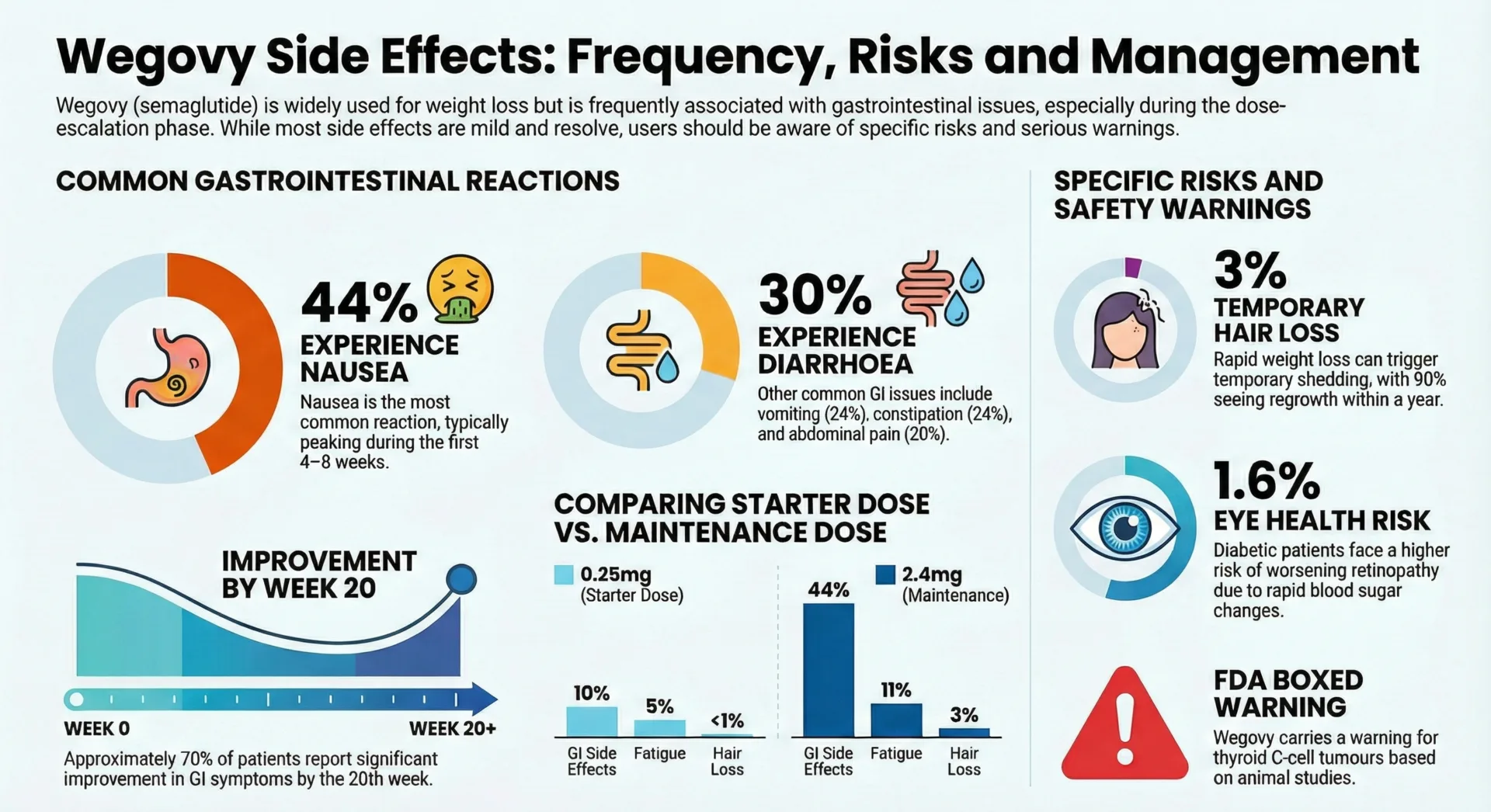
Common side effects of Wegovy and Ozempic include nausea, vomiting, diarrhea, abdominal pain, and injection site reactions.
Some serious side effects may include pancreatitis, thyroid cancer, hypoglycemia, hypersensitivity reactions, and allergic reactions. Thus, it is essential to discuss the potential risks and benefits of these medications with a healthcare provider before starting treatment.
It is recommended that individuals with a history of thyroid cancer, pancreatitis, or hypersensitivity reactions should not take either.
Wegovy vs Ozempic Weight Loss
Wegovy: Designed as a Weight Loss Drug
Wegovy is specifically approved by the FDA for chronic weight management in adults with a body mass index (BMI) of 27 or higher and at least one weight-related health issue.
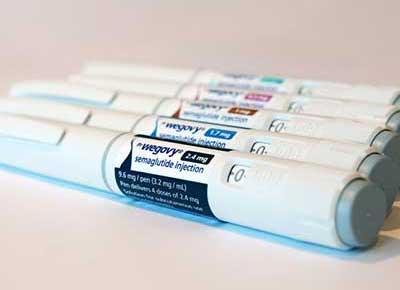
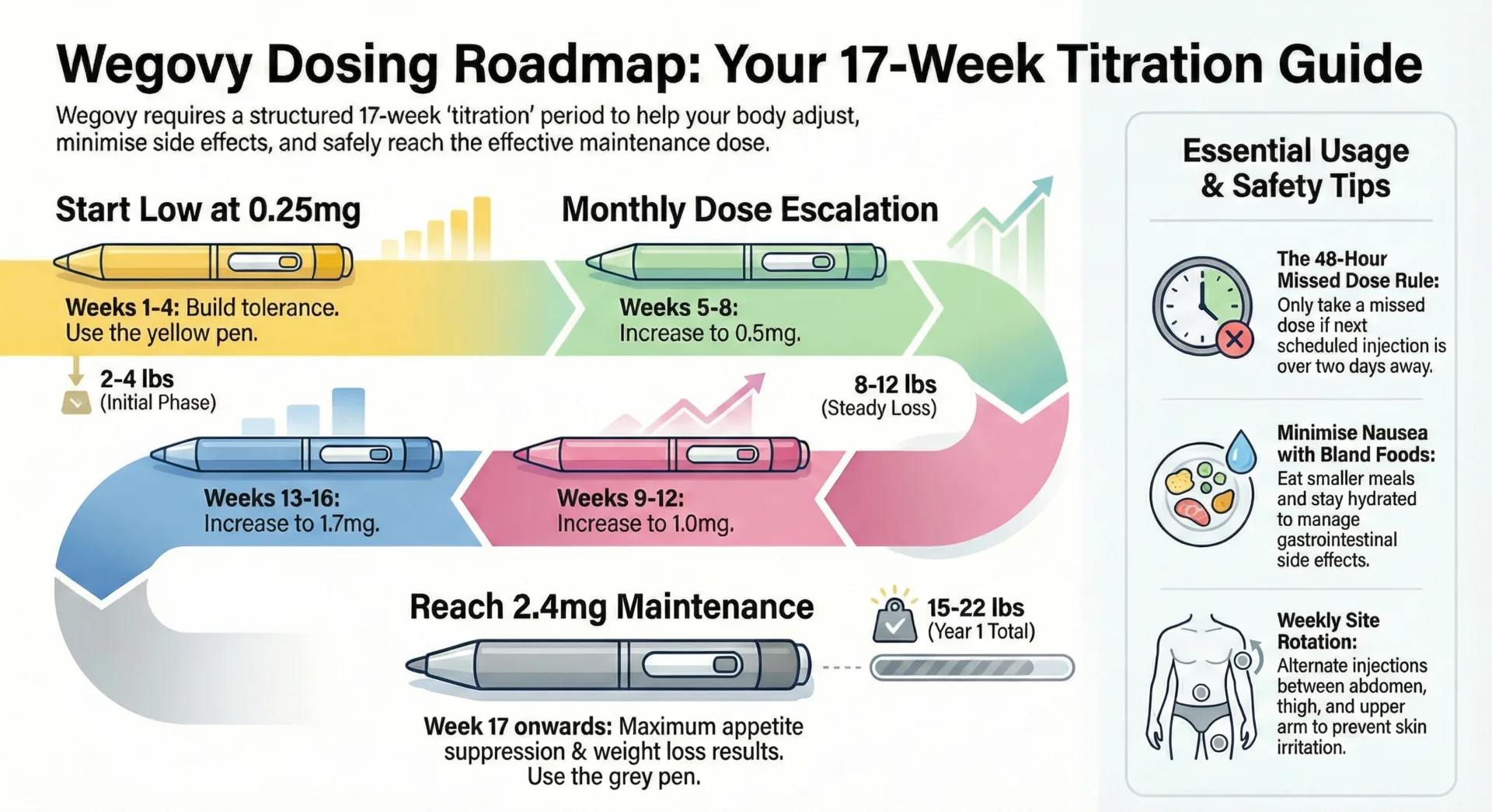
The typical dosage for Wegovy starts at 0.25 mg once weekly, gradually increasing up to a maximum dose of 2.4 mg per week. Here’s the recommended dosage but you should always follow your doctor’s specific instructions before usage.
Typical Wegovy titration schedule
| Schedule | Dosage |
| Month 1 (Weeks 1-4) | 0.25mg once weekly |
| Month 2 (Weeks 5-8) | 0.5mg once weekly |
| Month 3 (Weeks 9-12) | 1mg once weekly |
| Month 4 (Weeks 13-16) | 1.7mg once weekly |
| Month 5 (Weeks 17 and onward) | Stay at 1.7mg once weekly or move to 2.4mg once weekly |
The primary benefits of Wegovy include significant reductions in appetite and increased feelings of satiety, which can lead to substantial weight loss over time. Clinical trials have shown that patients using Wegovy can lose an average of 5 – 15% of their initial body weight when combined with a reduced-calorie diet and increased physical activity in 68 weeks. This makes Wegovy a promising option for individuals seeking to lose weight and achieve long-term weight management solutions.
Ozempic: Dual Purpose Medication for Weight Loss and Diabetes
Ozempic is another FDA-approved medication that manages type 2 diabetes, but off-label aids chronic weight management in adults with a BMI of 30 or higher.
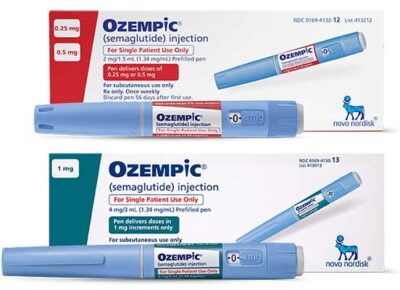
The typical dosage for Ozempic begins at 0.25 mg once weekly, with a gradual increase up to 1 mg per week depending on individual needs. Here’s the usual dosage chart that your doctor may prescribe:
Typical Ozempic dosing pattern
| Medication | Typical Dose |
| Ozempic 2mg/3mL | 0.25mg once weekly for 4 weeks,
then increase to 0.5mg once weekly for 4 weeks. |
| Ozempic 4mg/3mL | After 4 weeks of 0.5mg once weekly,
your doctor may move you to 1mg once weekly. |
While Ozempic’s primary indication is for blood sugar control in diabetic patients, it has also been found effective for weight loss. Patients taking Ozempic often experience similar benefits to those using Wegovy, including reduced appetite and improved satiety.
Additionally, Ozempic has shown promise in improving cardiovascular risk factors, which is particularly beneficial for individuals with obesity or Type 2 diabetes.
Which Is Better for Weight Loss?
When weight loss is the main goal and you meet the eligibility criteria, Wegovy is usually the stronger option because it is formulated and dosed specifically for obesity treatment. Its higher target dose of semaglutide is associated with greater average weight loss in clinical trials compared with lower‑dose semaglutide used primarily for diabetes.
However, “better” is individual. Wegovy may not be suitable if you do not meet BMI criteria, have certain medical conditions, or lack insurance coverage for obesity medications. In those situations, your provider might consider other GLP‑1 options or a different treatment class altogether.
Which Is Better for Diabetes Control?
For people whose primary concern is managing type 2 diabetes and A1C levels, Ozempic is generally preferred. The drug’s studies, dosing, and regulatory approval all center on glycemic control and diabetes‑related outcomes.
Some patients with both obesity and diabetes might eventually move from Ozempic to Wegovy once glucose control is stable and weight loss becomes the primary target, but this requires a personalized plan and careful dose conversion. You should never adjust or switch GLP‑1 medications on your own.
Wegovy vs. Ozempic: Key Factors to Discuss with Your Doctor
When deciding between these two semaglutide‑based treatments, consider the following points with your healthcare provider:
-
Primary health goal
-
Wegovy is generally favored when long‑term weight reduction is the main objective.
-
Ozempic is usually chosen when lowering blood sugar and preventing diabetes complications is the top priority.
-
-
Cardiovascular and metabolic history
-
People with obesity or overweight and cardiovascular disease may benefit from Wegovy’s weight‑management focus and cardiometabolic data.
-
People with established type 2 diabetes and high cardiovascular risk may be candidates for Ozempic based on its diabetes and heart‑outcome trials.
-
-
Cost and insurance coverage
-
Wegovy and Ozempic can both be expensive without coverage, and plans often distinguish between “obesity drugs” and “diabetes drugs.”
-
In the U.S., list prices for a month’s supply can exceed four figures, though actual out‑of‑pocket costs depend on insurance, copay cards, and pharmacy choice.
-
Through Pandameds.com, eligible patients may access a month’s dosage of Wegovy or Ozempic at lower prices than typical U.S. retail; availability and pricing can vary over time and by prescription.
-
-
Dosing preferences and tolerance
-
Both are once‑weekly injections, but some patients tolerate certain doses or titration speeds better than others.
-
Your provider may recommend one option based on your previous experience with GLP‑1 medications or digestive sensitivity.
-
Many people also ask how much semaglutide is in Wegovy vs. Ozempic. The answer depends on the dose you are prescribed. Higher weekly doses mean more semaglutide, so your exact amount is determined by your prescriber based on your medical profile and response.
Can You Switch Between Wegovy and Ozempic?
Switching between Wegovy and Ozempic is sometimes possible but must be done under medical supervision. Even though they share the same active ingredient, the dosing ranges and approved indications differ. Your clinician will usually start you at a lower dose of the new medication and titrate up again to minimize side effects and avoid overlapping exposure.
You should never attempt to convert the doses yourself or use leftover pens from one medicine as a substitute for the other.
Bonus Tip: Long-Term Chronic Weight Management Strategies
It is vital to understand that Wegovy and Ozempic are not quick fixes but rather tools designed to support broader weight loss efforts. These weight loss medications play a significant role in combating obesity and its related health risks, facilitating substantial weight reduction, which is crucial for improving overall health outcomes.
Sustainable weight management necessitates lifestyle changes such as:
- Healthy eating habits
- Regular physical activity
- Behavioral modifications
Final Words From Pandameds.Com
Wegovy and Ozempic are both effective medications for weight management but serve different primary purposes. While they share the same active ingredient, their specific indications and dosages differ significantly. We at Pandameds.com are here to answer any of your queries.
Disclaimer: This information is intended for general knowledge and informational purposes only and does not constitute medical advice. Always consult with a healthcare professional for personalized guidance.
Written by the Pandameds.com Editorial Team
Our content is created by pharmacy-trained researchers and healthcare specialists and rigorously reviewed by a diverse panel of authentic experts from the pharmaceutical and healthcare fields. This collaborative review process ensures that every article meets the highest standards of medical accuracy, reliability, and relevance.
- ✅ Authored by pharmacy-trained professionals
- 🔍 Reviewed by multiple verified experts in the pharmaceutical and healthcare niche
- 💊 Based on trusted sources including FDA, Health Canada, and peer-reviewed clinical studies
- 🔄 Regularly reviewed and updated every 90 days to maintain accuracy and trustworthiness
About Pandameds.com
Pandameds.com offers a range of weight loss medications at an affordable price.
Fast, Reliable Shipping to the USA!
Affordable Prescription Meds From Canada
Join our mailing list for exclusive promos, curated health content & more.
Related Blog Posts
Call Us Today!
If you have any questions, please email our support team at [email protected] or call us toll-free at 1-888-862-1210.