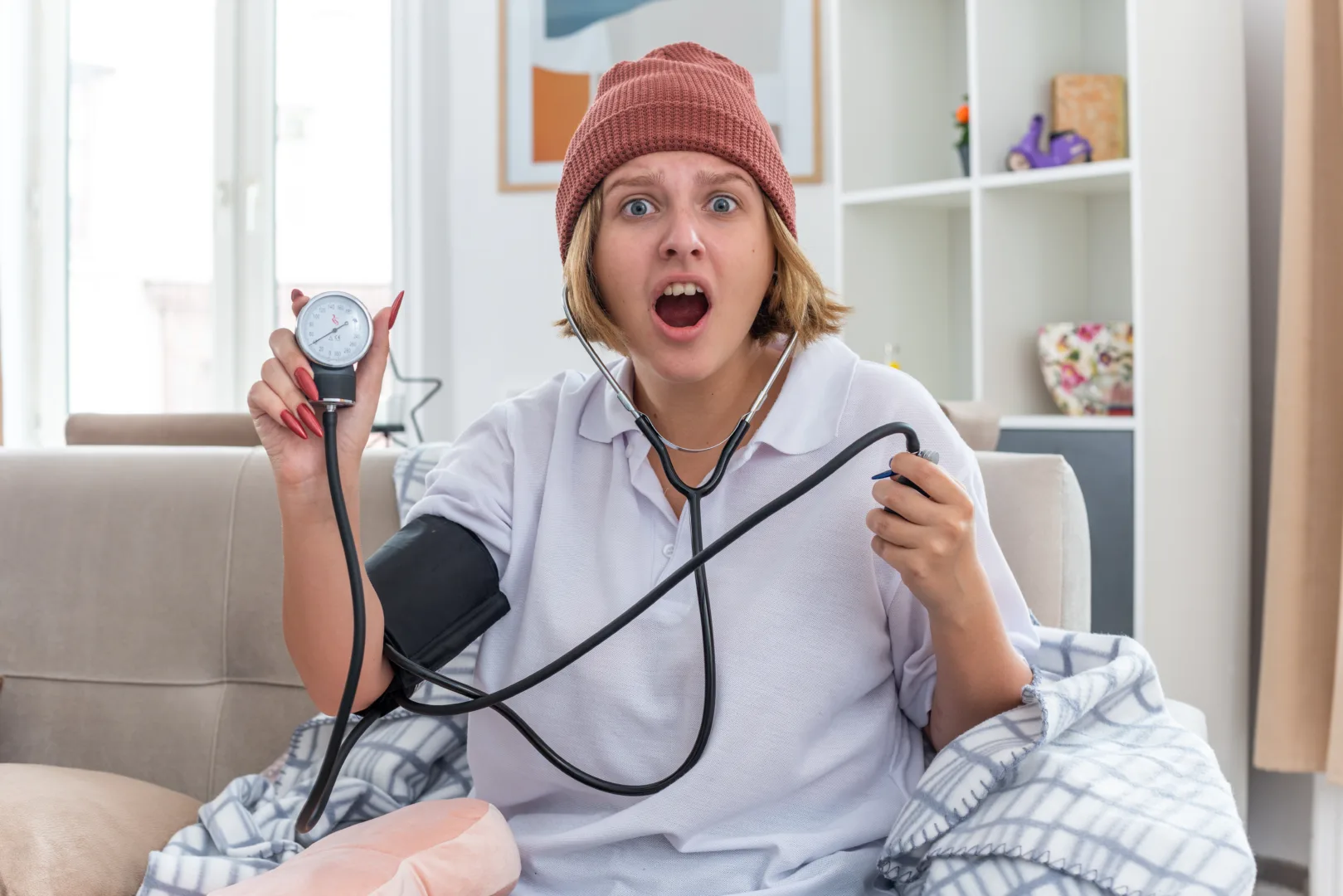

If you’re taking Eliquis and keeping an eye on your blood pressure readings, you’ve probably wondered whether this blood thinner might be messing with those numbers. The connection between anticoagulants and blood pressure isn’t exactly proportional. Therefore, it is essential to understand how Eliquis works with your cardiovascular system and to follow advice from your doctor or other healthcare professionals to stay on top of your health.
Does Eliquis Lower Blood Pressure? The Direct Answer
Eliquis doesn’t directly lower blood pressure through its main way of working. Clinical research shows that low blood pressure occurred in only a small number of people taking Eliquis after hip or knee replacement surgery, leading some to consider that those patients might be at higher risk and researchers couldn’t figure out whether the medication or the surgery itself caused this effect.
There’s an important difference between “can Eliquis lower blood pressure” and “does Eliquis lower blood pressure.” The medication doesn’t target the systems in your body that regulate blood pressure, but certain complications and bleeding problems can mess with your readings indirectly while it works to prevent blood clots .
Most people taking Eliquis keep steady blood pressure levels throughout their treatment, especially when the medication is managed properly alongside any blood pressure drugs they’re already taking.
How Eliquis Works: Blood Thinning vs. Blood Pressure
It is important to understand what happens when you take Eliquis as this helps explain why this blood thinner doesn’t directly impact your blood pressure. People often get confused because they think anything affecting your blood must also affect blood pressure, not realizing the potential adverse effects. , but these are completely separate processes in your body.
What Eliquis Actually Does in Your Body
Eliquis (apixaban), a prescription medication, works as a selective factor Xa inhibitor, latching onto a specific enzyme in your blood clotting process. This stops prothrombin from turning into thrombin, which slows down blood clot formation and cuts your risk of stroke, pulmonary embolism, or deep vein thrombosis.
The medication works with impressive precision. It shows linear pharmacokinetics, which means your body absorbs and processes it predictably at therapeutic doses. Apixaban doesn’t directly affect how platelets clump together, though it does indirectly limit thrombin-induced platelet aggregation.
Your body absorbs the medication consistently throughout your digestive tract, unlike some dietary supplements. , with about 55% absorbed in the distal small bowel and ascending colon.
Why Blood Thinners Don’t Directly Affect Blood Pressure?
Blood thinners and blood pressure work through completely separate biological systems. Your blood pressure depends on vascular resistance (controlled by smooth muscle tone and neurohormonal signals) plus cardiac output (determined by heart rate and stroke volume). Factor Xa, which Eliquis targets, has nothing to do with these mechanisms.
The blood clotting cascade exists as a series of enzymatic reactions in your plasma. It’s regulated by antithrombin, protein C, protein S, and tissue factor pathway inhibitor. None of these regulatory proteins or enzymes interact with the systems that maintain your arterial pressure or control how wide your blood vessels get.
High blood pressure does create a prothrombotic state with abnormalities in platelet function and coagulation markers, but this relationship is associative rather than direct cause and effect. Blood thinners have minimal effect on blood pressure because they don’t share common regulatory pathways. Doctors can safely prescribe Eliquis alongside blood pressure medications without expecting the anticoagulant to change blood pressure readings.
When Eliquis Can Indirectly Cause Low Blood Pressure
While Eliquis doesn’t target blood pressure systems directly, two serious complications can make your blood pressure drop significantly. Understanding these situations helps you know when to get medical help right away.
Bleeding-Related Hypotension: What Actually Happens
Serious bleeding events occur in 3% or fewer patients taking Eliquis in clinical studies, but when severe bleeding happens, it can dramatically lower blood pressure through hypovolemic shock. When you lose significant amounts of blood, your circulating blood volume decreases rapidly. This reduced volume means less blood returns to your heart, decreasing cardiac output despite your body’s initial attempts to compensate through increased heart rate and vessel constriction.
Here’s how it typically unfolds: A patient experiencing gastrointestinal bleeding might first notice dark, tarry stools or a headache . Over the next 8 to 12 hours, as blood loss continues, they develop dizziness when standing up. Their blood pressure, normally 125/75 mmHg, drops to 95/60 mmHg. This timeline matters because internal bleeding severe enough to affect blood pressure usually develops over hours rather than minutes, giving you time to recognize symptoms and get care.
Bleeding risk peaks during the first three months of treatment, making this period especially important for monitoring. Clinical signs of this progression include visible or hidden bleeding, low blood pressure, fast heart rate, belly pain, and evidence that tissues aren’t getting enough oxygen.
Research comparing anticoagulants shows that apixaban demonstrates lower bleeding complication rates compared to rivaroxaban and warfarin, based on over 10 years of patient data presented at the 2023 American Society of Hematology conference. This makes Eliquis one of the safer options among commonly prescribed anticoagulants.
Serious Allergic Reactions and Blood Pressure Drops
Anaphylactic reactions to Eliquis are rare but represent a medical emergency when they happen. During anaphylaxis massive mast cell degranulation releases histamine and other mediators throughout your body which causes profound vasodilation (your blood vessels relax and widen dramatically).
At the same time, increased capillary permeability allows fluid to leak from your bloodstream into surrounding tissues. This effectively reduced your circulating blood volume even though you haven’t actually lost any blood. The combination of decreased vascular resistance and reduced blood volume causes blood pressure to drop steeply.
Hypotension occurs in between 1 and 10 patients per 100, though this includes both bleeding-related and allergic reaction scenarios. The prescribing information notes that hypersensitivity reactions including anaphylactic reactions are possible with Eliquis, though specific rates for anaphylactic hypotension haven’t been isolated in clinical trials.
Common Eliquis Side Effects That Don’t Include Hypotension
- Bleeding: Bleeding represents the most frequently reported problem across clinical studies. Bruising occurs more often than usual, and minor injuries may bleed longer than you’d typically experience. Gingival bleeding and nosebleeds represent frequently documented bleeding-related effects, each happening in 1% or more of patients. You might also notice blood in urine and bruising at similar frequencies.
- Nausea: This can occur when starting Eliquis, though this typically goes away within days or weeks.
- Anemia: It has been reported as a serious side effect compared to some alternative anticoagulants, happening partly due to mild, chronic blood loss that may not be immediately obvious. This may cause symptoms of low blood pressure, such as fatigue and weakness.
The medication carries a boxed warning from the FDA about the risk of serious, potentially fatal bleeding.
What’s notably absent from common side effects is any direct effect on blood pressure. Most patients maintain stable blood pressure readings throughout treatment unless they experience severe bleeding or allergic reactions.
Taking Eliquis with Blood Pressure Medications
Many patients wonder if blood thinners and high blood pressure medication can be taken together. The answer is usually yes, but you’ll need to coordinate with your healthcare team for safe management.
Safe Medication Combinations
Eliquis and blood pressure medication can typically be prescribed together without significant interaction concerns. Most standard blood pressure drug classes (ACE inhibitors, angiotensin receptor blockers, and beta-blockers) don’t interfere with how your body processes Eliquis.
The combination of lisinopril and Eliquis, for example, represents a common pairing in clinical practice. Lisinopril works by blocking the conversion of angiotensin I to angiotensin II, which relaxes blood vessels and lowers blood pressure. This mechanism operates independently of factor Xa inhibition, so the two medications don’t interfere with each other’s effectiveness.
Interactions to Discuss with Your Doctor
While most blood pressure medications combine safely with Eliquis, Cardizem (diltiazem), a calcium channel blocker, increases Eliquis levels in your body by affecting drug metabolism pathways. This interaction doesn’t necessarily rule out combined use, but your doctor may need to adjust your Eliquis dose when prescribing these medications together.
Eliquis interactions with other medication extend beyond blood pressure drugs. NSAIDs like ibuprofen and naproxen significantly increase bleeding risk when combined with Eliquis. Certain antidepressants, particularly SSRIs and SNRIs, also elevate bleeding risk through effects on platelet function. St. John’s wort, on the flip side, lowers Eliquis levels and makes blood clots more likely by speeding up the medication’s breakdown.
Disclaimer: Before starting any new medication (including over-the-counter products and supplements), inform your healthcare provider about your Eliquis use. Your prescriber can assess interactions comprehensively and adjust treatment plans to maintain both safety and effectiveness.
Monitoring Your Blood Pressure While Taking Eliquis
Regular blood pressure monitoring helps you and your healthcare team assess your overall cardiovascular health while taking Eliquis. Although Eliquis doesn’t directly affect blood pressure, monitoring serves several important purposes, particularly in catching complications early.
Understanding Normal Blood Pressure Variability
Blood pressure naturally fluctuates throughout the day. Variations of 5 to 10 mmHg are completely normal. Single readings 10 to 15 mmHg below your average don’t indicate a problem if you feel well and maintain your usual activities. However, sustained drops of 20+ mmHg or readings below 90/60 accompanied by symptoms like dizziness, lightheadedness, or unusual fatigue warrant medical attention.
Here’s a practical example: A patient monitoring twice daily notices readings of 145/92 mmHg for three consecutive days after starting Eliquis, while typically running 130/80 mmHg. This sustained increase of 15/12 mmHg warranted contacting their provider to assess whether unrelated blood pressure changes were occurring or whether stress from starting a new medication was contributing.
Distinguishing normal variation from actual hypotension prevents unnecessary anxiety while ensuring you respond appropriately to genuine concerns. Many patients overthink single abnormal readings when what matters is the pattern over time.
When to Check Your Blood Pressure
If you have pre-existing hypertension, maintaining regular blood pressure monitoring helps ensure your blood pressure medications remain effective. Home blood pressure monitoring provides valuable data that complements office measurements, often revealing patterns that single clinic readings might miss.
Check your blood pressure more frequently after starting Eliquis or adjusting your dosage, particularly during the first three months when bleeding risk peaks. If you experience symptoms like dizziness, lightheadedness, or unusual fatigue, measure your blood pressure to determine whether low blood pressure might be contributing.
Consistency matters more than the exact schedule. Many patients benefit from measuring blood pressure at the same times each day (typically in the morning before medications and in the evening before dinner). This routine establishes your personal baseline and makes it easier to spot meaningful changes.
What Blood Pressure Readings Mean on Eliquis
Understanding blood pressure classification helps you interpret your readings appropriately. Normal blood pressure measures less than 120/80 mmHg. Elevated blood pressure ranges from 120 to 129 mmHg systolic with diastolic less than 80 mmHg. Stage 1 hypertension includes systolic readings of 130 to 139 mmHg or diastolic readings of 80 to 89 mmHg. Stage 2 hypertension reaches systolic readings of 140 mmHg or higher or diastolic readings of 90 mmHg or higher.
The 2025 ACC/AHA guideline recommends a target blood pressure of less than 130/80 mmHg for most patients, with encouragement to achieve systolic blood pressure less than 120 mmHg for additional cardiovascular benefit. These targets apply to patients taking Eliquis just as they do to those not on anticoagulation therapy.
If your readings consistently fall outside your target range, contact your healthcare provider. Both persistently elevated readings and unexplained low readings deserve medical evaluation. Remember that single abnormal readings don’t necessarily indicate a problem, but patterns of abnormal readings warrant attention.
Warning Signs That Require Immediate Medical Attention
Recognizing serious complications quickly can be lifesaving. Two categories of symptoms demand immediate emergency evaluation.
Signs of Dangerous Bleeding
Most bleeding events stay minor, but recognizing when bleeding becomes dangerous matters. Gastrointestinal bleeding may show up as bright red blood or black, tarry stools (melena). Vomiting blood or material that looks like coffee grounds indicates upper gastrointestinal bleeding requiring urgent evaluation.
Blood appearing in your urine signals urinary tract bleeding needing medical assessment. Heavy menstrual bleeding that soaks through protection within an hour for several consecutive hours represents abnormal bleeding warranting prompt attention. Nosebleeds lasting unusually long or bleeding from gums that won’t stop may indicate excessive anticoagulation.
Unexplained or widespread bruising without known trauma suggests potential internal bleeding complications. Brain bleeds show up with sudden, severe headaches accompanied by seizures, numbness, tingling, difficulty walking, confusion, vision loss, facial weakness, or slurred speech. Any head injury while taking Eliquis demands immediate medical evaluation, as bleeding inside your skull or brain may not be immediately apparent.
Symptoms of Severe Hypotension
Severe low blood pressure requires recognition through both objective measurements and symptoms. A systolic blood pressure below 90 mmHg, a diastolic pressure under 60 mmHg, or a mean arterial pressure less than 65 mmHg all indicate hypotension requiring clinical concern.
When blood pressure drops significantly, your brain may not receive adequate oxygen, causing acute neurological symptoms: dizziness, lightheadedness, and fainting (syncope). Falls from syncope can cause serious injuries, particularly concerning for patients on anticoagulation therapy who may bleed more easily from trauma.
Signs of shock or inadequate perfusion indicate critical organ compromise requiring immediate emergency intervention: decreased responsiveness, confusion, extreme weakness, and cold, clammy skin. Orthostatic hypotension (a systolic drop of 20 mmHg or diastolic drop of 10 mmHg within three minutes of standing from lying down) warrants evaluation when accompanied by symptoms.
Nearly all cases of sustained low blood pressure warrant emergency department evaluation rather than urgent care, particularly when accompanied by severe abdominal pain, blood in stool, severe vomiting or diarrhea, signs of allergic reaction, or symptoms of heart failure.
Safety Guidelines for Eliquis Users in 2025
Comprehensive safety practices minimize bleeding risk and ensure you get the best therapeutic benefit.
Never stop Eliquis without medical supervision. Stopping early significantly increases your risk of thrombotic events, including stroke and blood clots. If you think you need to stop taking Eliquis, talk to your healthcare provider first.
Take your medication at the same time each day to maintain consistent anticoagulation levels. Set reminders if needed, and use a pill organizer to track doses. If you miss a dose, take it as soon as you remember unless it’s close to your next scheduled dose. Never double up doses.
Monitor for serious bleeding signs daily. Use a soft toothbrush and electric razor to minimize minor bleeding risks. Avoid activities with high fall or injury risk, and wear protective gear when participating in physical activities.
If you require spinal anesthesia or spinal puncture procedures, inform your healthcare provider immediately. Spinal or epidural hematomas can occur in anticoagulated patients undergoing these procedures, potentially causing long-term or permanent paralysis.
Coordinate all medications with your healthcare team. Using other drugs that affect blood clotting (including aspirin, NSAIDs, or other anticoagulants) increases bleeding risk. Your prescriber needs to know about every medication and supplement you take.
Before elective surgery or invasive procedures, Eliquis should be stopped at least 48 hours prior for moderate to high bleeding risk procedures, or at least 24 hours for lower-risk procedures. Never stop Eliquis for surgery without explicit instructions from your healthcare team.
If you fall or injure yourself (especially head injuries), contact your healthcare provider immediately for evaluation. Even seemingly minor trauma can cause significant internal bleeding in anticoagulated patients.
Can you take Plavix and Eliquis together?
Yes, Eliquis and Plavix (clopidogrel) can be taken together, but this combination significantly increases bleeding risk. Clinical scenarios where dual therapy may benefit patients include those with both atrial fibrillation requiring anticoagulation and coronary artery disease requiring antiplatelet therapy.
Research shows that rivaroxaban combined with clopidogrel and apixaban combined with clopidogrel carry similar major bleeding risks, with incidence rates of 7.96 versus 7.38 per 100 person-years respectively, according to a 2023 retrospective cohort study. When dual therapy becomes necessary, the choice between these DOACs doesn’t substantially change bleeding outcomes.
Apixaban combined with clopidogrel without aspirin produces the lowest bleeding rates, with only 7.3% of patients experiencing bleeding episodes compared to 18.5% for patients on triple therapy, according to research presented at the American College of Cardiology’s 68th Annual Scientific Session. Patients taking apixaban showed a 31% reduction in bleeding risk compared with warfarin, and omitting aspirin resulted in a 47% reduction in bleeding risk.
Dual therapy achieved ischemic event reduction without increased thrombotic events. Patients treated with apixaban plus clopidogrel had no increase in heart attacks, strokes, or blood clots compared to other regimens while simultaneously reducing bleeding complications. The proportion of patients who died or were hospitalized was lowest among those treated with clopidogrel, apixaban, and placebo at 22% versus 27.5% for triple therapy.
Triple therapy including apixaban combined with aspirin and clopidogrel can’t be recommended due to substantially increased bleeding risk. This emphasizes that dual therapy without aspirin represents the safer approach when both anticoagulation and antiplatelet effects are clinically indicated.
Never start or stop combination therapy with Plavix and Eliquis without explicit guidance from your healthcare provider. They can assess your individual risk factors, determine whether dual therapy is appropriate for your specific medical situation, and establish a monitoring plan to detect bleeding complications early. If combination therapy is prescribed, understanding warning signs of serious bleeding becomes even more important.
When to Contact Your Healthcare Provider
Beyond emergency situations, several scenarios warrant contacting your healthcare provider about your Eliquis therapy. Report any signs of unusual bleeding, including prolonged bleeding from minor cuts, increased bruising, or blood appearing where it shouldn’t. While minor bleeding is expected, changes in bleeding patterns deserve medical evaluation.
If you’ve missed multiple doses or taken extra doses accidentally, contact your provider. They can assess whether additional monitoring or dose adjustments are needed. Starting new medications (particularly aspirin, other antiplatelet agents, NSAIDs, SSRIs, SNRIs, or other anticoagulants) requires medical consultation due to increased bleeding risk.
Pregnancy or plans to become pregnant warrant immediate discussion with your healthcare provider. Eliquis may increase hemorrhage risk during pregnancy and delivery, requiring careful evaluation of risks and benefits. If you’re breastfeeding or planning to breastfeed, discuss this with your provider as well.
Symptoms of blood clots after stopping Eliquis require immediate medical attention. Sudden weakness, difficulty speaking, facial drooping, leg swelling, chest pain, or difficulty breathing may indicate thrombotic events that can occur when anticoagulation is inadequate.
Any planned procedures (even minor dental work) should be discussed with your healthcare team beforehand. They can advise whether you need to adjust your Eliquis dosing around the procedure.
Disclaimer: This information is intended for general knowledge and informational purposes only and does not constitute medical advice. Always consult with a healthcare professional for personalized guidance.
Written by the Pandameds.com Editorial Team
Our content is created by pharmacy-trained researchers and healthcare specialists and rigorously reviewed by a diverse panel of authentic experts from the pharmaceutical and healthcare fields. This collaborative review process ensures that every article meets the highest standards of medical accuracy, reliability, and relevance.
- ✅ Authored by pharmacy-trained professionals
- 🔍 Reviewed by multiple verified experts in the pharmaceutical and healthcare niche
- 💊 Based on trusted sources including FDA, Health Canada, and peer-reviewed clinical studies
- 🔄 Regularly reviewed and updated every 90 days to maintain accuracy and trustworthiness
About Pandameds.com
Pandameds.com offers a range of weight loss medications at an affordable price.
Fast, Reliable Shipping to the USA!
Affordable Prescription Meds From Canada
Join our mailing list for exclusive promos, curated health content & more.
Related Blog Posts
Call Us Today!
If you have any questions, please email our support team at [email protected] or call us toll-free at 1-888-862-1210.